It’s the first half of the 19th century. France has just had its July Revolution, once again replacing a king with an emperor, or a king with a king, or, well, someone with someone or something else. Steam technology is proliferating, factories are replacing workshops, railways are spreading across the world. The USA is buying slaves by the shipload, a pandemic is sweeping across Europe, and Karl Marx is a teenager. People are watching wondrous, seemingly godlike technologies become commonplace in the space between their adolescence and adulthood. Fear of another revolution has each State escalating its violence to new levels.
200 weavers have gathered in a city in France and are on their way to a new automated weaving factory owned by some rich guy. The rich guy hears about this and sends word to the local military, who send word to the local police. Two cavalry units and a cityfull of police rush to the factory to prevent who knows what, but it’s too late: the weavers have destroyed basically every piece of automated weaving equipment in the place, and are now running pell-mell through the alleys. The State manages to capture about 30 of these people, and punishes them harshly.
These days we call these people Luddites, a synonym for “people who hate technology.”
I love technology. I’ve been an engineer this last decade, founded a software engineering co-op with one purpose being to expand the ability of other engineers. I run local LLMs on my computer and manage a homelab running dozens of services. I’m also a Luddite.
The Luddites didn’t hate technology, they hated these new changes being wrought. They didn’t like that the technology they thought would decrease the strenuousness of their labor was instead causing them to be replaced by automated machines and losing all their income. They didn’t like that their position as craftspeople who determine the quality of clothing and how it’s distributed was being replaced by factory owners churning huge volumes of cheap, quick-to-degrade cloth out that was, despite being lower quality, driving down the cost of all cloth globally. They hated this new invention that was moving power away from workers and into the hands of the rich: Capitalism.
How has technology changed our world? It’s given us global warming, factory suicides, Instagram doomscrolling, Tik Tok misinformation, tech surveillance, and unemployment. Is this an inherent function of this technology, though? Did we have to continue to pursue fossil fuels after inventing renewable energies, to fuel cars that are more inefficient than the earlier invented streetcar and train? Did we need to make factory conditions so terrible that people would rather jump off the roof than spend another day sticking together iPhones? Did we need to fill our photo sharing apps with addictive hate-mongering content designed to make us upset, and ads designed to make us buy things we don’t want, or feel bad about ourselves if we don’t buy? Did we have to lock life saving medicine behind monopoly?
The negative externalities of technology aren’t inherent to technology itself, but instead inherent to the capitalist mode of production. Like the Luddites, we don’t hate technology, we hate Capitalism.
Well, that’s fine then, we can still have Capitalism, so long as we regulate it, right? We can use the power of liberal democracy, or even democratic socialism, or perhaps even communism (with “Chinese characteristics”) to regulate these evil capitalists, to make sure they don’t take things too far!
How’s that working out for us? Microsoft was convicted of being a monopolist decades ago, and still runs a dominant position in the operating system space, driving the majority of offices around the world. Trump ordered Microsoft to shut down the email account of an ICC prosecutor that was annoying him, and Microsoft complied. The European Union forced Apple to finally use a usbc port instead of whatever proprietary nonsense they were using before, but then turned around and allowed mass surveillance of its citizenry. In the PRC, workers replace factory suicide with languishing under a 996 work schedule - but boy do they get great State-ensured benefits! Just enough bread, just enough circus; delivery drivers and camgirls circling the drain. Whatever the liberals, social democrats, and state capitalists (sorry, “Chinese Communists”) are trying, isn’t working.
It doesn’t have to be this way. People have been resisting, turning these tools back against the capitalists that would exploit us, or the States that would repress or harm us.





The liberals, the demsocs, and the state capitalists have failed to prevent capitalists using technology to exploit us (or directly aided them to do so), so how can we emulate those above to leverage technology to fight back and liberate ourselves? We already have some of the tools, and we have the means to build new ones. We should, or really must, do so, because technology is a force multiplier, and a force multiplier is needed to counter the massive resources working against us. Also, if we want to create a newer, better, world, we have to have the means to bring along the comforts people in this world cling to. In order to avoid getting split like the Soviets by blue jeans, we need to ensure people have iPhones under Communism.
Tools We Already Have
Firefox / Brave - Internet browsers
- Chrome is blocking ad blockers, and has tracking
- Firefox + uBlock Origin = ad free Youtube!
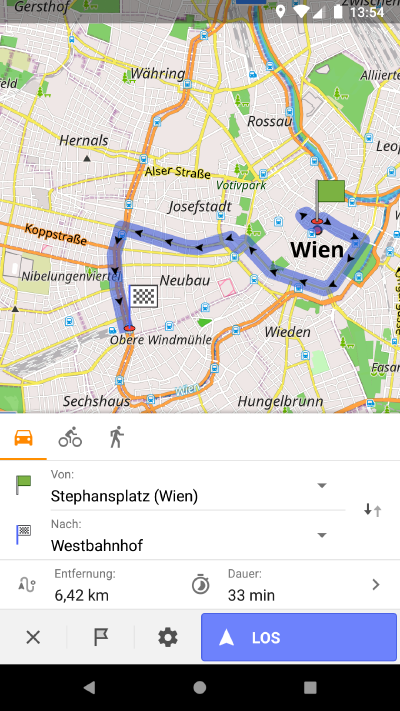
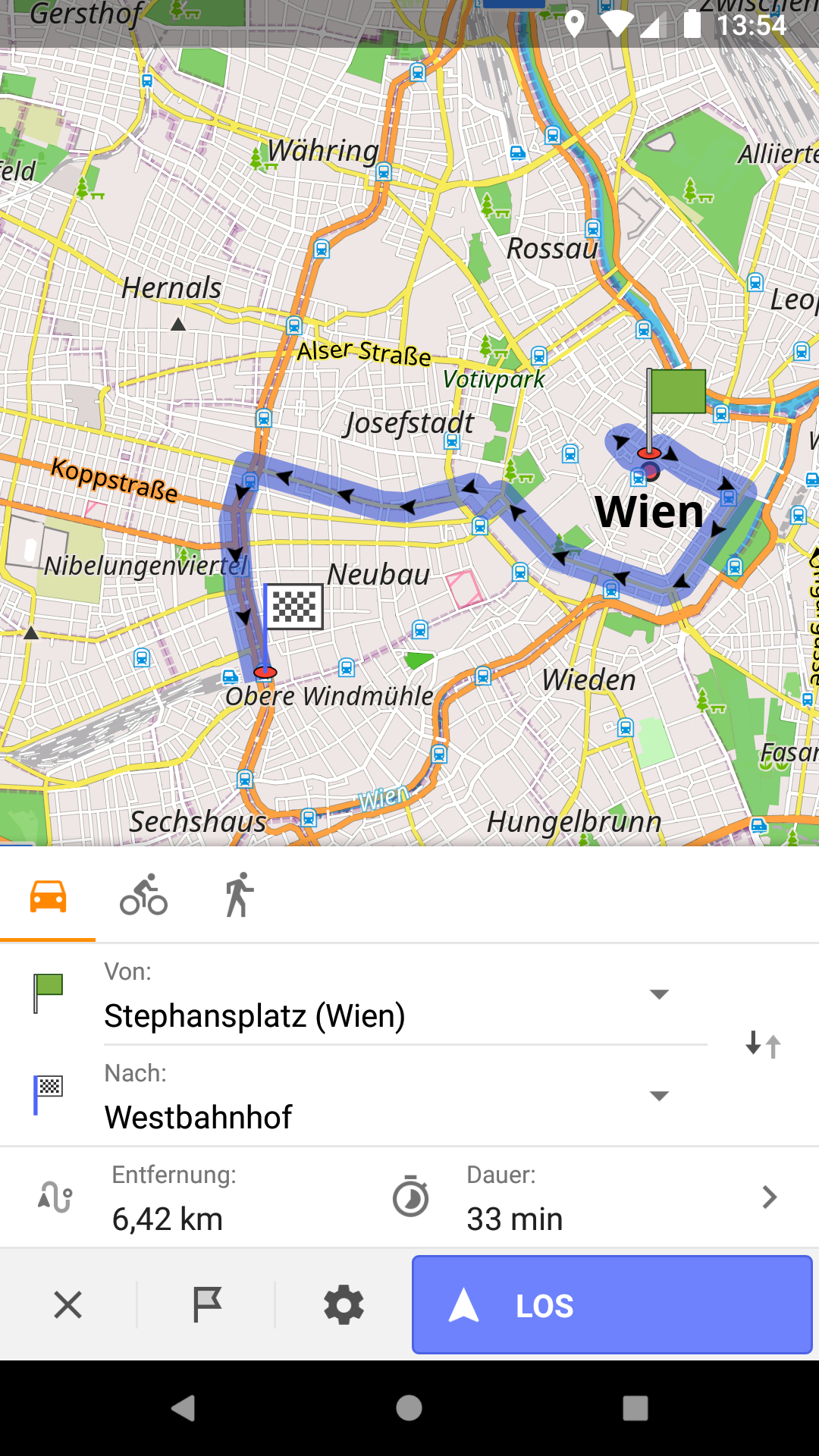
OpenStreetMap, OsmAnd, Mapillary - Google Maps / Google Street View alternatives
- Huge ecosystem, all community supported
- Protection from Google pushing you to its favorite restaurants
- Frequently used in disaster relief - see: Rebecca Solnit
- Very fun and addicting - I love trying to record streetview data for as much of Taiwan as I can
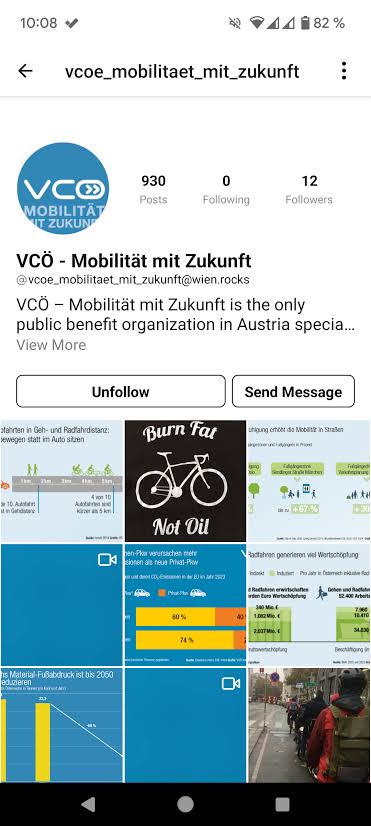
- Pixelfed - Instagram alternative
- You aren’t a human, you’re a meat robot AI agent that generates photo content to train Instagram AI
- Join now! pixelfed.tw
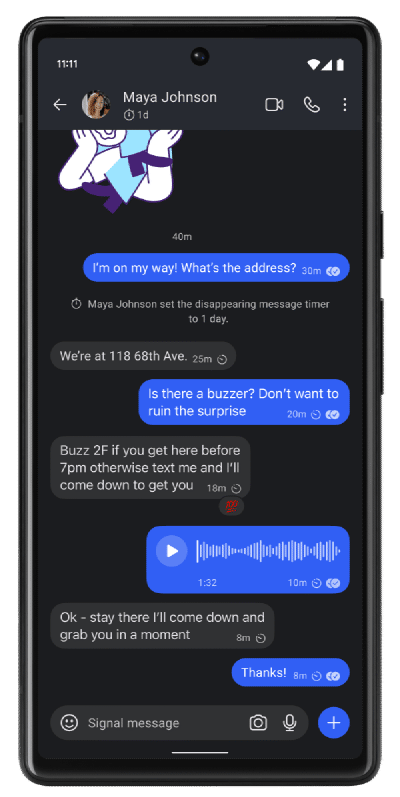
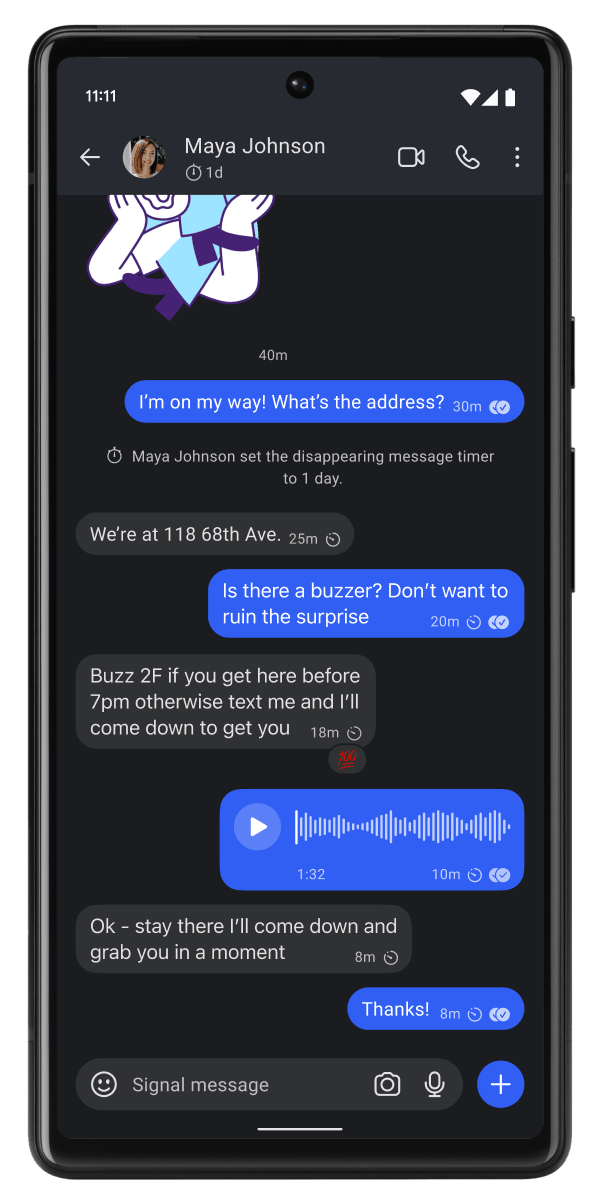
Signal - Messaging app
- Moxie Marlinspike - Anarchist
- E2E Encrypted
- Most downloaded app in HK after national security law
- Important to hide your communication by default - you don’t know if you’re breaking the law, and governments can change.
Grayjay - Youtube client
- Youtube on your phone with no ads, background play, downloads etc

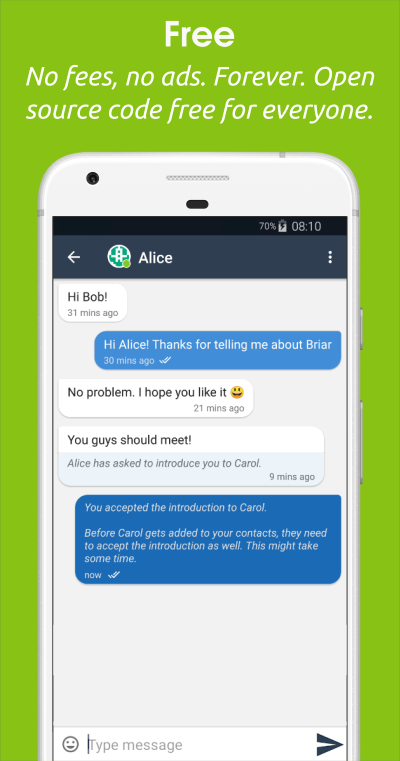
Briar - Encrypted device to device communication
- Usable if internet goes down
- Or if cell towers are closed around protests
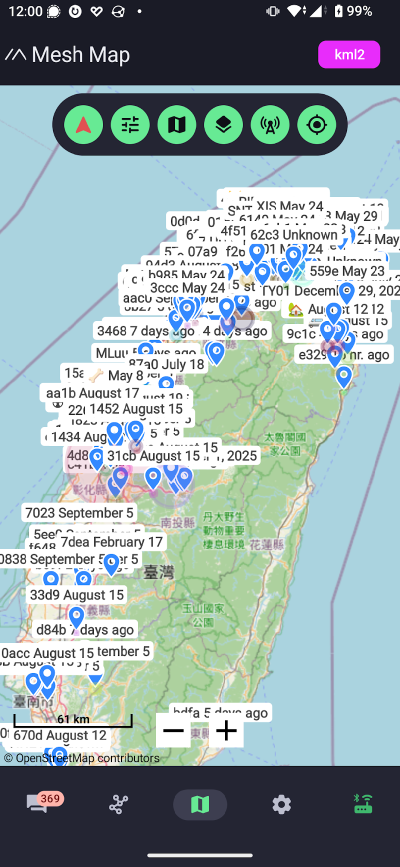
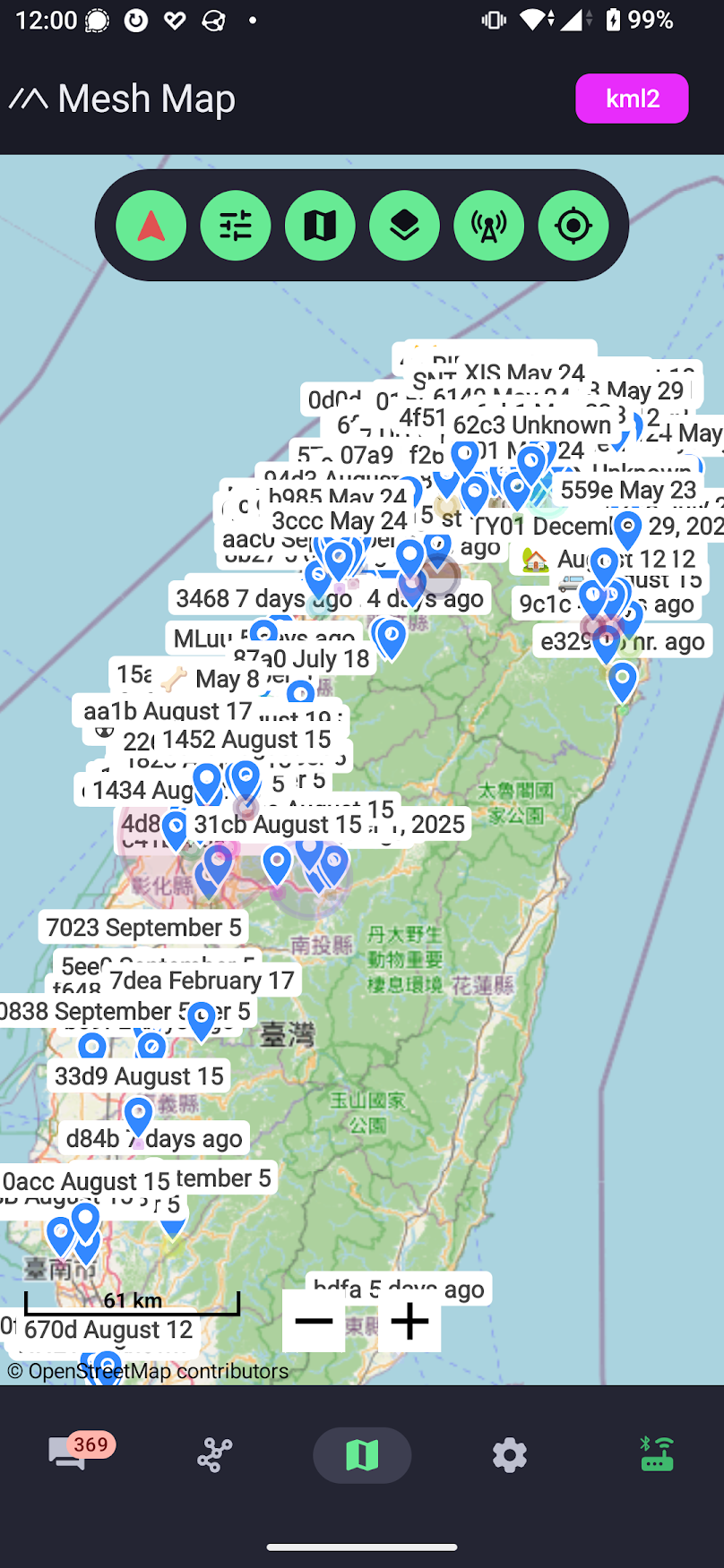
Meshtastic - Mesh network communication
- Similar to Briar, but each device can help messages get across the city
- See also: Reticulum. Meshtastic but for any kind of internet traffic
Linux - Constellation of operating systems
- Frees you from Apple and Windows surveillance
- Lets you install whatever software you want - including software Apple doesn’t want you to install
- Re-use old computers!
Libreoffice - Document editor
- Trump removed Microsoft Office access to people abroad that annoyed him
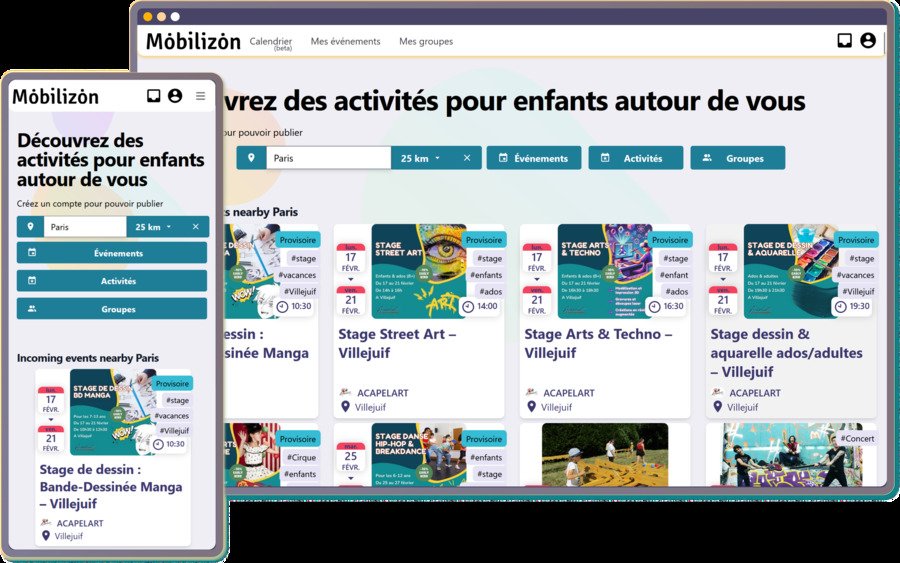
Mobilizon - Luma / Meetup / Facebook Events replacement
Nextcloud - Google Drive alternative
Mastodon + Bluesky - Twitter alternatives
- Lets you choose your own algorithm
- Protects you from psychological attack via ads, targeted content, selective censorship
Peertube - Youtube alternative
- Avoid Youtube censorship
- Youtube algorithm is cursed: see Elsagate
Matrix / Element - Slack / Discord alternative
Hackfoldr - Notion alternative (markdown editing)
- Extensively used during Sunflower movement
Tor - Encrypted Internet Access
- Hides traffic from ISPs and governments
- Used during Tunisian revolution
Global Village Construction Kit - All the hardware you’d need to start and run a village
Internet Archive - Archive of the Internet
- Crucial in journalism and for history
Archive Genocide - Archive of the Israeli Genocide against Palestine, warning: horrific




When I gave a talk about this, a question that came up was whether these sorts of tools are only being used by super-geeks, and that leftists don’t have as much integration into these communities; or, that these tools are perhaps too hard to use; or that the alternatives, such as Instagram, are just too attractive to leave. How do we break free, and help others break free?
I’m addicted to social media, but I’m sober now for several years. Something that helped me break free was realizing that every time I post content on reddit or twitter, I’m basically giving money to Elon Musk or some other blood drinking techno-feudalist pedophile. I’m increasing the value of the platform, and providing training data for their AI. Makes using the sites feel dirty.
At the same time, usage of these platforms is normal; they spend millions staffing psychiatrists, who are tweaking psychic knobs to keep us addicted to their platforms. We hardly have the tools to resist this, yet.
It’s a question though: how can we get more people on these platforms? For one thing, FOSS software is often buggy, or ugly, so we could certainly use more eyes on this software, engineer or otherwise. FOSS is often resource-constrained, so it’s an area where it’s very easy to see the impact of an individual, which can be quite rewarding. Tired of participating in protests with thousands of people and not seeing any change from it? Try picking a FOSS project (maybe one of the above!) and participate in its community, offering design suggestions or making bug reports. It’s quite the feeling to see your own contribution on an app that thousands or even millions of people use.
However it doesn’t fully answer the question. I don’t know how to get people to stop doing things that hurt themselves. I don’t even know how to get ME to stop doing things that hurt me! I leave that question to smarter leftists than me: how do we get people off the tools that are hurting us? How do we get more people to voluntarily participate in their own liberation? What kind of tools are we missing to fight back, liberate people, or create parallel forms of resource distribution and mutual aid?
If you’re interested in reading about leftist techno-utopian musing, I suggest “Walkaway” by Cory Doctorow and “A Half Built Garden” by Ruthanna Emrys. Generally Cory Doctorow’s blog is a good source of info for this sort of thing as well.